SaaS Pricing Models Breakdown: How to Price Your SaaS

SaaS Marketing6 min read

The definitive guide to choosing the right pricing strategy, maximizing revenue, and aligning value with your customers.

Too Long; Didn't Read

  • Tiered Pricing (Good-Better-Best) is the industry standard for B2B SaaS, balancing simplicity with upsell potential.
  • Usage-based pricing is the fastest-growing model, ideal for infrastructure and PLG tools where value scales with consumption.
  • Your 'Value Metric' (what you charge for) matters more than the specific number—price based on the value users actually receive.
  • Don't 'set it and forget it.' Successful SaaS companies iterate their pricing every 6-9 months to match product evolution.

The 7 Most Common SaaS Pricing Models Compared

Pricing is the single most powerful lever for profitability in a software business. Yet, many founders treat it as an afterthought. Choosing the right SaaS pricing models isn't just about covering costs; it's about aligning how you charge with how your customers derive value. Below is a detailed breakdown of the models used by top performing companies, from startups to IPO giants.

1. Tiered Pricing (The 'Good-Better-Best' Standard)
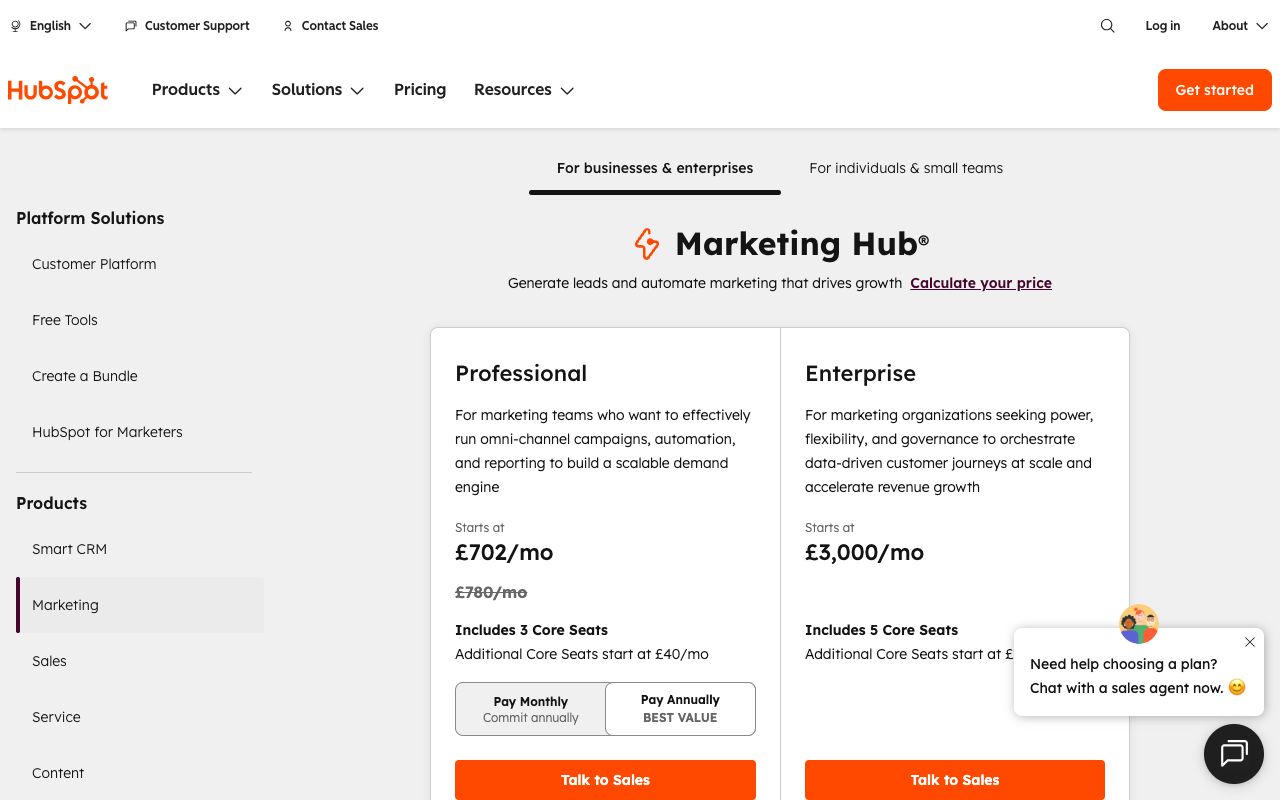
Tiered pricing is the de facto standard for SaaS GTM strategies. By offering multiple packages (usually 3-4), you can appeal to different buyer personas simultaneously—from budget-conscious startups to feature-hungry enterprises. This model creates a natural upsell path: as a customer's needs grow, they move up a tier.
HubSpot Pricing Page Dashboard Screenshot
Screenshot of HubSpot Pricing Page interface
Here's why this works: It anchors price perception. The expensive Enterprise tier makes the middle Pro tier look like a bargain, utilizing a psychological tactic known as price anchoring.

2. Per-User Pricing (Seat-Based)

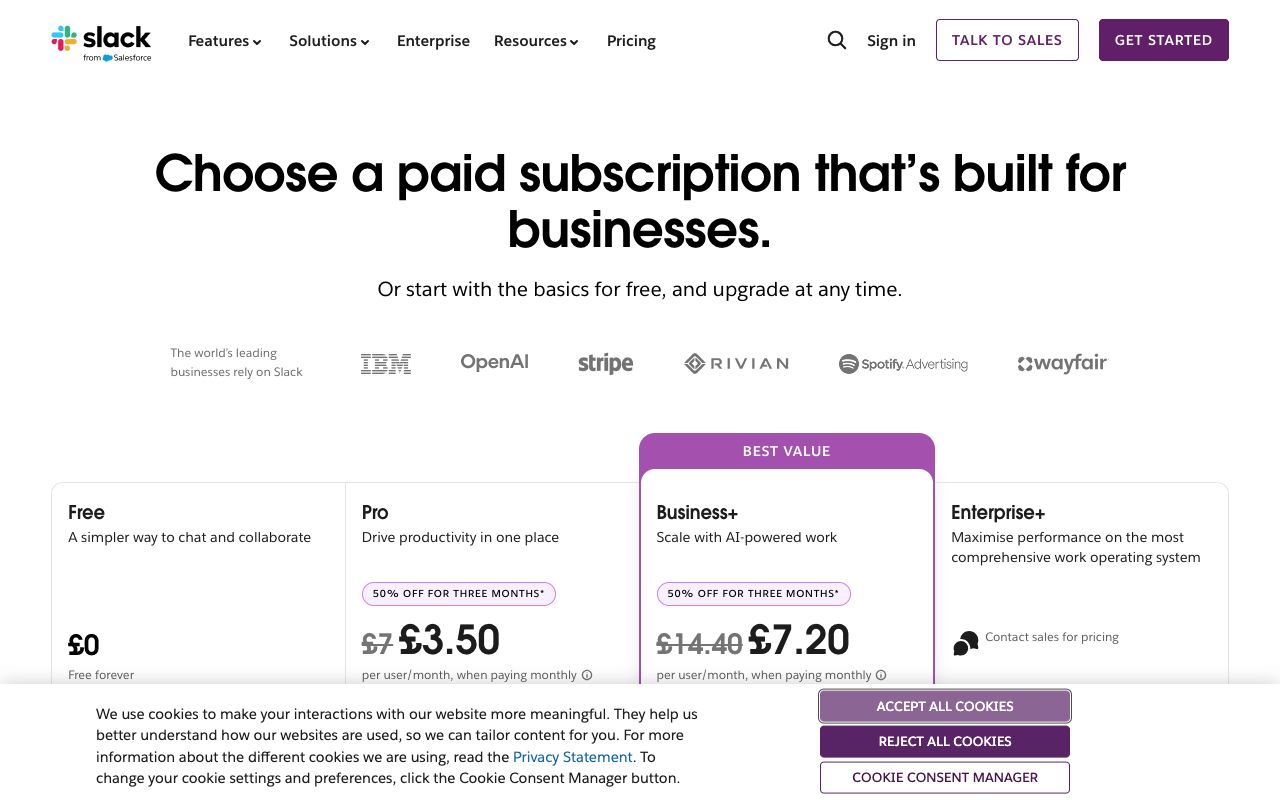
This is the most common model in the B2B space. You charge a monthly fee for every user who logs into the system. It’s predictable and easy for customers to understand. However, it can sometimes discourage adoption if customers share logins to save money.
Slack Pricing Dashboard Screenshot
Screenshot of Slack Pricing interface

3. Usage-Based Pricing (Pay-As-You-Go)
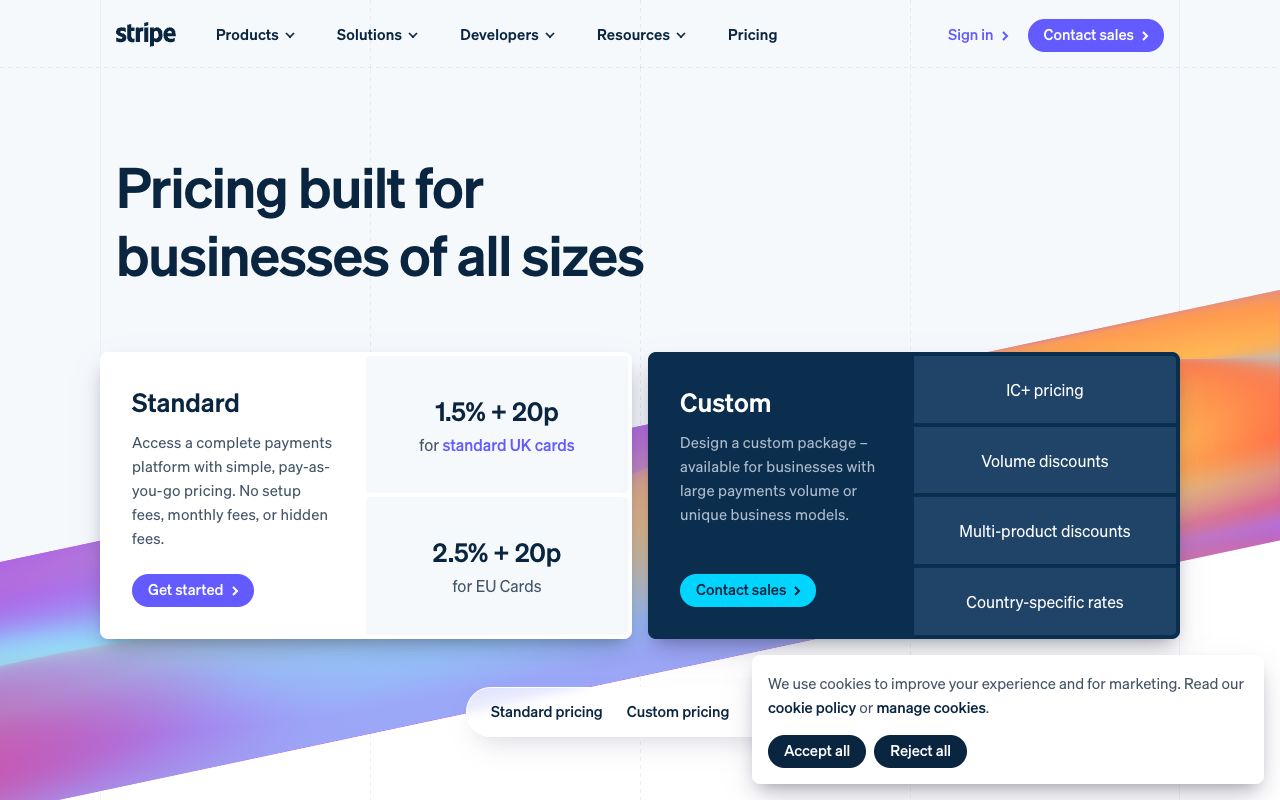
SaaS usage based pricing links cost directly to consumption. Whether it's API calls, gigabytes of storage, or emails sent, the customer pays only for what they use. This lowers the barrier to entry significantly, as upfront costs are often zero.
Stripe Pricing Dashboard Screenshot
Screenshot of Stripe Pricing interface
This model is exploding in popularity among developer tools and infrastructure platforms. If you are building an API-first product, consider how LaunchRocket.io or similar platforms handle scaling user bases.

Struggling to Get Your First Users?

Before you worry about optimizing pricing, you need traffic. Our guide helps you go from zero to one.

Join the Community

4. Flat-Rate Pricing

One product, one price, all features included. This was common in the early days of software but is now rare for growing SaaS companies. While it's simple to sell, it leaves money on the table because you can't capture the surplus value from larger enterprise customers.

5. Freemium Business Model

"Freemium is an acquisition model. Most people make the mistake of thinking of it as a revenue model."
You offer a basic version for free to hook users, hoping a percentage will upgrade to paid plans. This works best when your marginal cost per additional user is negligible. It heavily supports engineering as marketing efforts by letting the product sell itself.

SaaS Pricing Models Comparison Table

ModelBest ForProsCons
Tiered PricingMost B2B SaaSMaximizes LTV; appeals to multiple personas.Can be complex to design correctly.
Per-UserCollaborative Tools (CRM, Slack)Predictable revenue; scales with team growth.Discourages widespread adoption (churn risk).
Usage-BasedInfrastructure, APIsLow barrier to entry; aligns price with value.Hard to predict MRR; 'bill shock' for users.
Flat-RateNiche Micro-SaaSEasy to sell and communicate.No upsell path; leaves enterprise revenue on table.

Strategy vs. Model: What's the Difference?

You've got to distinguish between pricing strategies for SaaS and the models listed above. The model is how you package the offer; the strategy is how you calculate the number.

Value-Based Pricing (The Gold Standard)

Value-based pricing means setting prices based on the perceived value to the customer, rather than your costs or competitors' prices. If your software saves a company $100k a year, charging $10k is a steal, regardless of how much it costs you to host it. This is the cornerstone of successful saas business model pricing.

Competitor-Based Pricing

This involves benchmarking against rivals. While useful for initial positioning, it can lead to a 'race to the bottom.' If you are launching in a crowded market, check out our guide on Product Hunt alternatives to see how competitors position themselves.

Launch Your SaaS the Right Way

Don't just guess your pricing. Use our comprehensive checklist to ensure every part of your product launch is covered.

Get Free Checklist

SaaS Pricing Models for B2B: Key Considerations

SaaS pricing models B2B differ significantly from B2C. In B2B, you are dealing with procurement departments, annual budgets, and multiple stakeholders. Here, hybrid pricing models often win.
For example, you might combine a base platform fee (Tiered) with seat-based pricing (Per-User). This ensures you get a commitment for the platform utility while still scaling revenue as the customer's team expands. When targeting enterprise B2B, ensure your pricing page links to sales for 'Custom' quotes, which is essential for capturing high-ACV deals.
If you are struggling to attract B2B leads to your pricing page, you may need to revisit your organic strategy. Read our deep dive on B2B SEO strategies for 2026 to drive more qualified traffic.

Best Practices: How to Choose the Best SaaS Pricing Models

To find the best saas pricing models for your specific business, you need to both; DYOR (do your own research) and, experiment. But at the very least, these best practices will give you a head start.

1. Identify Your Value Metric

Your value metric is the unit of consumption that aligns with the value a user gets. If you sell email marketing software, your value metric should be 'emails sent' or 'contacts stored'—not 'users logged in.' If you sell a CRM, 'seats' makes sense because value is created by humans interacting with data.

2. Keep It Simple (The Rule of 3)

You've more than likely heard this before, but I will restate it here because it's true! Analysis paralysis (ABSOLUTELY) kills conversion rates. Limit your SaaS tiered pricing models to three core options: Starter, Professional, and Enterprise. Highlight the middle option as 'Most Popular' to guide undecided buyers.

3. Localize Your Pricing

SaaS is global. A price that works in New York might be prohibitive in Bangalore. Purchasing power parity (PPP) pricing can open up vast new markets without devaluing your product in primary regions.

Ready to Scale Your Software?

Get exclusive deals on the tools you need to build, price, and grow your SaaS.

Join the Community

Pros

  • • Tiered models allow you to capture revenue from all segments of the market.
  • • Usage-based pricing aligns your revenue growth directly with your customer's success.
  • • Value-based strategies prevent you from leaving money on the table.

Cons

  • • Complex pricing pages can decrease conversion rates due to cognitive load.
  • • Usage-based models make forecasting Monthly Recurring Revenue (MRR) difficult.
  • • Per-user pricing creates friction against team-wide adoption.

Pro Tip

Never A/B test prices on the same live audience simultaneously; it destroys trust. Instead, test pricing on new cohorts or separate landing pages.

Always offer annual billing. It improves cash flow and reduces churn by locking customers in for 12 months. Usually, a 20% discount is the sweet spot.

Use 'Grandfathering' when raising prices. Allow existing customers to keep their old rate for a set period to maintain loyalty while moving new users to higher rates.

Frequently Asked Questions

What is the most popular SaaS pricing model?

Tiered pricing (Good-Better-Best) combined with per-user licensing is currently the most popular model for B2B SaaS. However, usage-based pricing is rapidly gaining ground for infrastructure and PLG products.

How do I choose between per-user and usage-based pricing?

Choose per-user if your product is collaborative (e.g., Slack, Asana) where value comes from people working together. Choose usage-based if your product is automated or transactional (e.g., Twilio, AWS) where value comes from the volume of activity.

How often should I change my SaaS pricing?

You should evaluate your pricing strategy every 6 to 9 months. As you add features and improve the product, the value you deliver increases, and your price should reflect that.

What is a hybrid pricing model?

A hybrid model combines elements of different strategies, such as charging a flat monthly subscription fee to access the platform plus usage fees for data consumed. This stabilizes revenue while allowing for upside scaling.
#saas pricing
L

LaunchRocket Team

Helping founders build and scale detailed software products.

Join the Newsletter

Get growth tactics and launch strategies delivered to your inbox for builders like you.

Unsubscribe at any time.